Physical Therapy Specialty Consultation
Every PT session creates a controlled breakdown — the kind your body is designed to repair and rebuild from, stronger. That process doesn't happen in the clinic. It happens between sessions, while you sleep, while you recover. Whether the cycle actually produces results depends on what you give your body to work with.
THE CLINICAL PICTURE
Physical therapy creates demand. Your body covers that demand using raw materials from what you eat and supplement. When those materials aren't there, recovery slows, stalls, or cycles.
Collagen synthesis requires vitamin C, glycine, and zinc. Muscle protein synthesis requires leucine and adequate overall intake. Bone repair requires calcium, D3, and K2. Every injury type draws from a different nutritional pool. Sessions create the signal — nutrition provides the supply. Without the supply, the signal goes unanswered.
Acute inflammation after injury or a PT session is the start of the repair signal. The problem is when it becomes chronic: tissue stays irritated, progress plateaus, and soreness compounds. The difference between productive and chronic inflammation is often nutritional, not a question of more or fewer sessions. Anti-inflammatory support during recovery isn't optional — it determines whether the cycle closes.
Growth hormone peaks during deep sleep. Collagen synthesis accelerates overnight. Protein synthesis from a PT session continues for 24 to 48 hours afterward. If sleep is compromised by pain or medication side effects — or if nutrient status is low — sessions generate demand that never gets fulfilled. The result is slower progress, extended timelines, and harder sessions than they need to be.
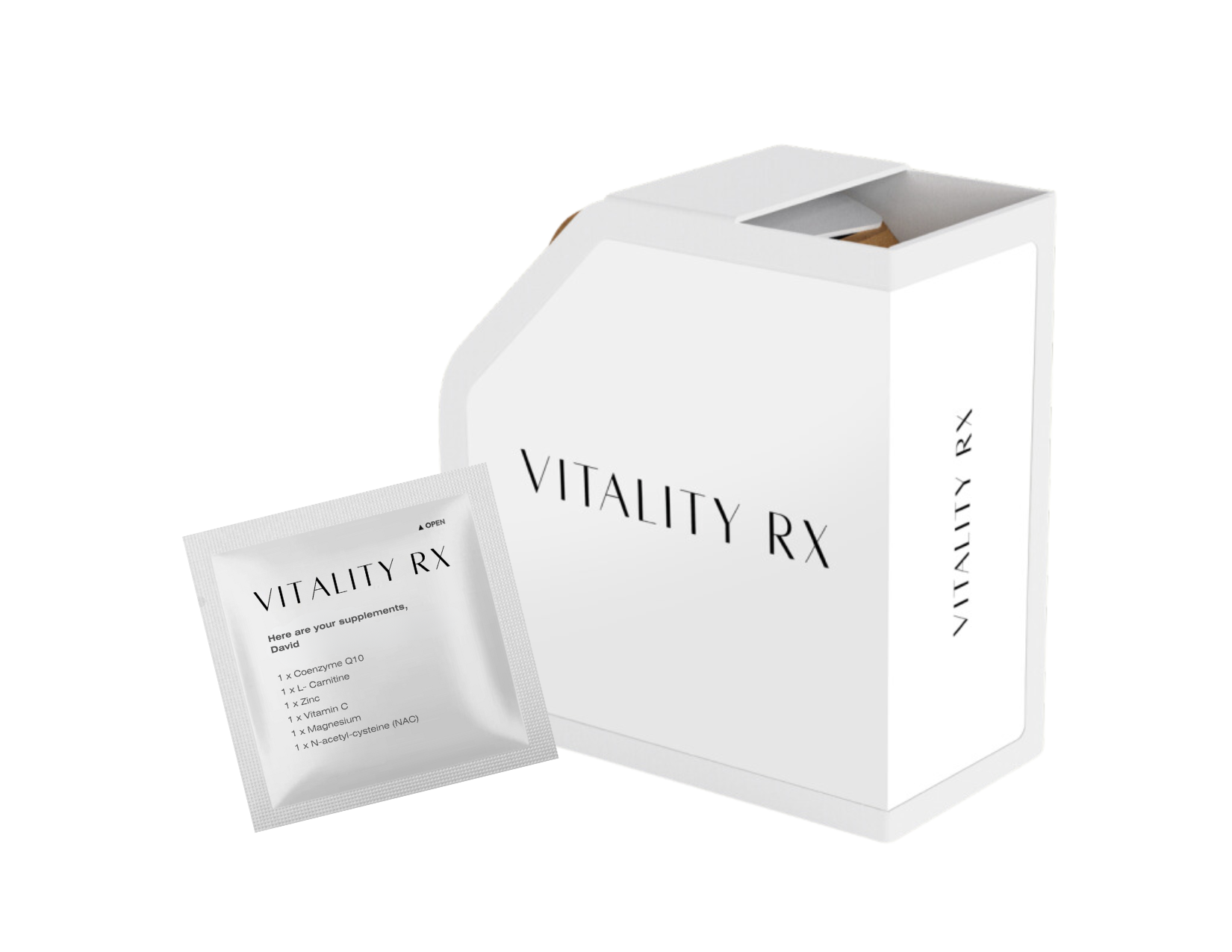
The difference between a PT outcome that holds and one that stalls is rarely the therapist or the protocol. It's whether the biological infrastructure for repair was in place between sessions. Supplementation is that infrastructure.
WHY THIS ISN'T ONE-SIZE-FITS-ALL
Your injury type, your recovery phase, your medications, and your baseline health all change what your body needs. A generic approach won't map to your specific clinical picture.
Soft tissue injuries demand amino acids and anti-inflammatory support. Bone injuries require calcium, D3, and K2. Joint injuries need collagen precursors and proteolytic enzymes. Nerve injuries benefit from B-complex and high-dose omega-3s. Injury type determines which repair pathways are active — and what those pathways require.
The acute phase calls for anti-inflammatory support and gut-protective co-supplementation alongside any medication. Subacute phase shifts to collagen synthesis, tissue remodeling, and cellular repair. Return-to-activity phase prioritizes performance nutrition and fatigue resistance. The same supplement at the wrong phase can work against recovery.
High pain often means NSAID use — which directly depletes zinc, vitamin C, and iron while compromising gut lining integrity over time. Chronic inflammation signals that the repair cycle is stalled. Where you are on the pain spectrum tells us whether anti-inflammatory support, depletion repletion, or gut protection is the priority.
Growth hormone and collagen synthesis peak during deep sleep. For many people in active PT, sleep is compromised by pain, medication side effects, or disrupted architecture from the injury itself. Poor sleep directly extends recovery timelines — and the right supplementation can address multiple root causes without adding another pharmaceutical.
Non-weight-bearing, partial load, and full training each create different protein and energy demands. Higher activity generates more repair demand. Lower activity creates different needs — including maintaining muscle mass and preventing the deconditioning that compounds recovery time when you return to full load.
NSAIDs deplete zinc, vitamin C, and iron and compromise gut lining integrity with extended use. Corticosteroids deplete calcium, D3, zinc, and B6. Opioids suppress testosterone and drive micronutrient loss across multiple systems. If you're managing pain with medication, your supplement stack needs to account for what those medications are taking from you.